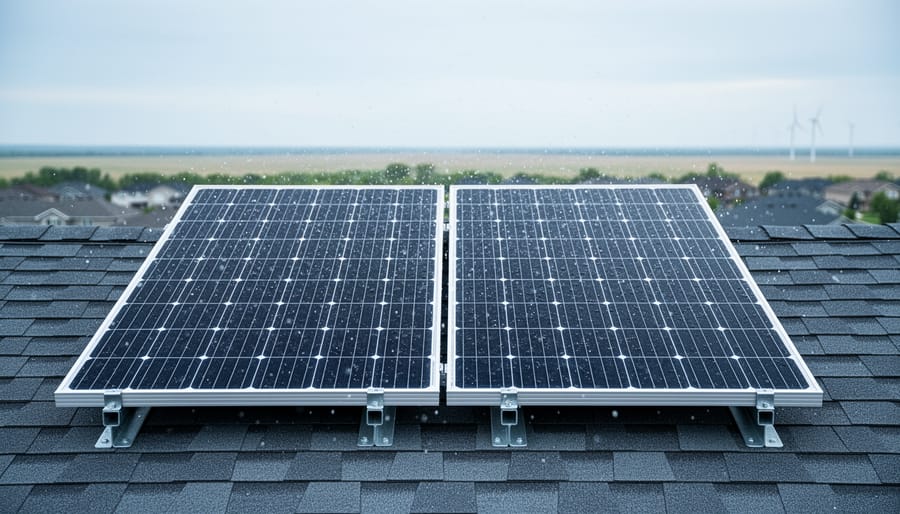
Hydropower converts the energy of flowing or falling water into electricity, making it the world’s largest source of renewable energy and one of humanity’s oldest power technologies. This ancient energy source has powered civilizations for thousands of years, from grain mills along Roman aqueducts to the massive turbines that now generate about 16% of global electricity. What makes hydropower especially captivating isn’t just its scale or efficiency, but the surprising stories and little-known facts that reveal how this technology shapes our modern world.
Canada stands as a global hydropower leader, with water-based electricity generation accounting for roughly 60% of the nation’s power supply. From the engineering marvels of Churchill Falls to community-scale run-of-river projects in British Columbia, hydropower demonstrates how renewable energy can deliver reliable, emissions-free electricity at massive scale. Yet despite its ubiquity, most people don’t realize just how innovative, diverse, and sometimes downright fascinating this technology really is.
This article brings together twelve compelling facts about hydropower that go beyond the basics. You’ll discover the unexpected connections between hydropower and modern life, learn about record-breaking installations, and understand why this renewable resource pairs so well with other clean energy sources like solar. Whether you’re researching for a school project, looking for conversation starters, or simply curious about how we power our lives sustainably, these facts illuminate hydropower in ways that textbooks rarely capture.
What Hydropower Means: Turning Water Into Clean Energy
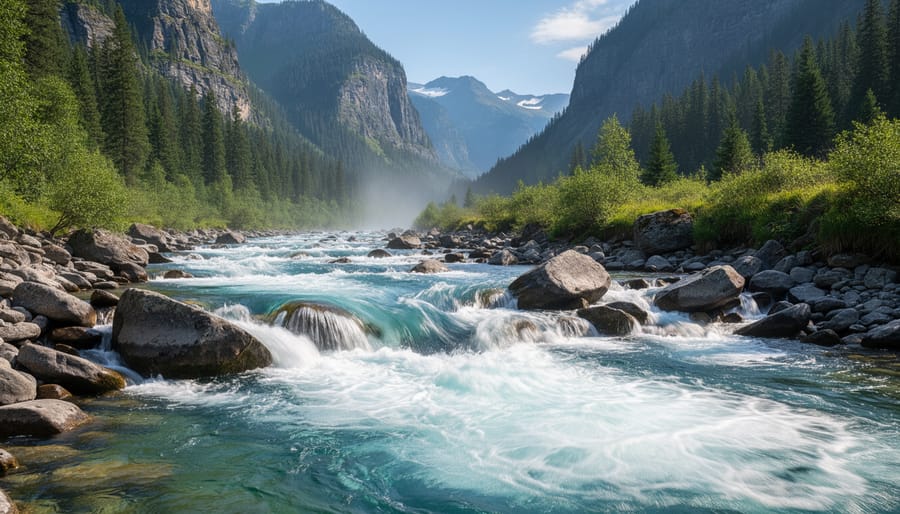
Hydropower is the process of capturing energy from moving water and transforming it into electricity. When water flows or falls, it carries kinetic energy, the energy of motion. Hydropower systems redirect that natural movement through turbines, which spin generators to produce electrical power we can use in homes, businesses, and industries.
The principle behind hydropower is elegantly simple: gravity pulls water downward, creating force. The greater the volume of water and the higher it falls, the more energy it generates. This makes hydropower remarkably predictable compared to other renewable sources. Unlike solar panels that depend on sunlight or wind turbines that need breeze, water flow follows patterns we can measure and anticipate, making it one of the most reliable forms of clean energy available.
- Potential Energy
- The stored energy water holds when it sits at an elevated height, ready to flow downward under gravity’s pull.
- Kinetic Energy
- The active energy water releases as it moves, which turbines capture and convert into mechanical power.
- Turbine
- A wheel with blades that spins when water flows through it, transforming water’s kinetic energy into rotational mechanical energy.
- Generator
- An electrical device connected to the turbine that converts mechanical rotation into electricity through electromagnetic induction.
- Reservoir
- An artificial lake created by a dam that stores large volumes of water for controlled release through the power system.
- Run-of-River
- A hydropower design that channels a portion of a river’s natural flow through turbines without requiring a large dam or reservoir.
Humans have harnessed water’s power for thousands of years, starting with simple waterwheels that ground grain. Modern hydropower plants use the same fundamental concept but at a scale that can power entire cities. This long track record, combined with water’s consistency and renewability, explains why hydropower generates more electricity globally than any other renewable source, providing roughly 16% of the world’s power in 2026.
How Hydropower Works: The Journey from Water to Electricity
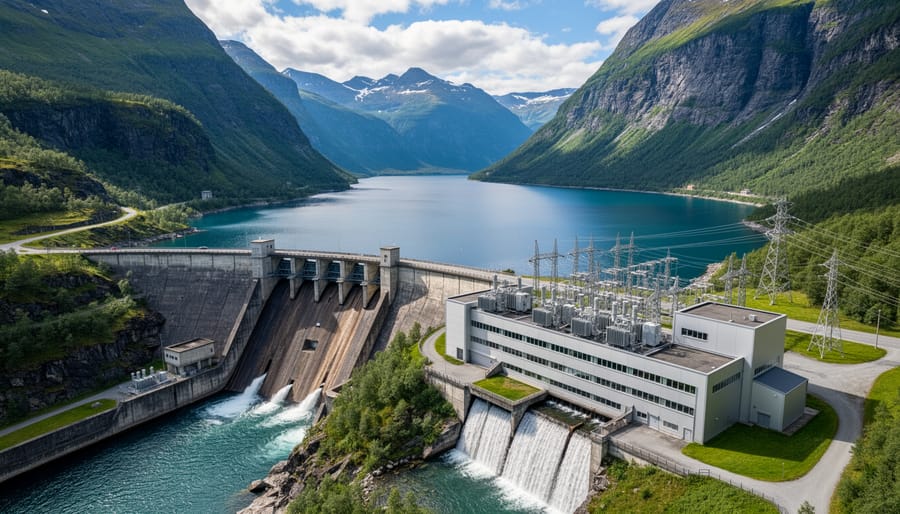
The magic of hydropower begins with something deceptively simple: water moving from a higher place to a lower one. As water flows downward, gravity gives it kinetic energy, the same force you feel when you ride a bike downhill. Hydropower systems capture this natural movement and transform it into the electricity that powers our homes and cities.
Here’s how the journey unfolds. First, water collects in a reservoir behind a dam or flows naturally in a river. The key is elevation difference, called “head” in engineering terms. The greater the height water falls, the more energy it carries. Think of it like a roller coaster: a steeper drop means more speed and force.
Next, water rushes through a large pipe called a penstock, accelerating as it descends. This controlled flow channels all that gravitational energy toward the powerhouse at the base. When the fast-moving water reaches the turbine, a wheel with specially designed blades, it strikes those blades with tremendous force, causing the turbine to spin rapidly.
The spinning turbine connects directly to a generator, which works much like a bicycle dynamo but on a massive scale. Inside, the rotating motion moves magnets past copper coils, creating an electromagnetic field that produces electricity. It’s the same basic principle that turns breeze into electricity in wind turbines, just powered by water instead of air.
Finally, transformers step up the voltage, and transmission lines carry the clean electricity to the grid, where it travels to schools, hospitals, factories and homes across the region. The water, having done its work, continues downstream essentially unchanged.
Different Ways to Harness Water: Main Types of Hydropower Systems
Hydropower systems come in three main forms, each designed to capture water’s energy in distinct ways depending on geography, water availability, and energy needs.
Impoundment systems are what most people picture when they think of hydropower. These facilities use large dams to create reservoirs that store massive volumes of water. When electricity is needed, operators release water through intake gates. The stored water drops through penstocks, large pipes running down the dam face, spinning turbines at the bottom before flowing downstream. The height of the water drop, called hydraulic head, determines how much power the system generates. Impoundment facilities can store energy in the form of elevated water, releasing it exactly when the grid demands power. British Columbia’s W.A.C. Bennett Dam exemplifies this approach, creating Williston Lake and generating reliable electricity for the province.
Run-of-river systems work without creating large reservoirs. Instead, they divert a portion of a river’s natural flow through a canal or penstock to turbines, then return the water downstream. These facilities generate power continuously as long as the river flows, but they can’t store water for later use. Their output rises and falls with seasonal water levels. Run-of-river projects typically have smaller environmental footprints than dam-based systems since they don’t flood large areas or dramatically alter river flow patterns. They’re particularly suited to mountainous regions with consistent water flow.
Pumped storage systems function like giant batteries. During periods of low electricity demand, typically overnight, these facilities use surplus grid power to pump water from a lower reservoir to an upper one. When demand peaks, they release the stored water downhill through turbines, generating electricity quickly. Pumped storage can start producing power within minutes, making it invaluable for grid stability. As solar and wind energy expand across Canada, pumped storage helps balance their variable output by storing excess renewable energy for later use.
12 Fascinating Facts About Hydropower That Might Surprise You
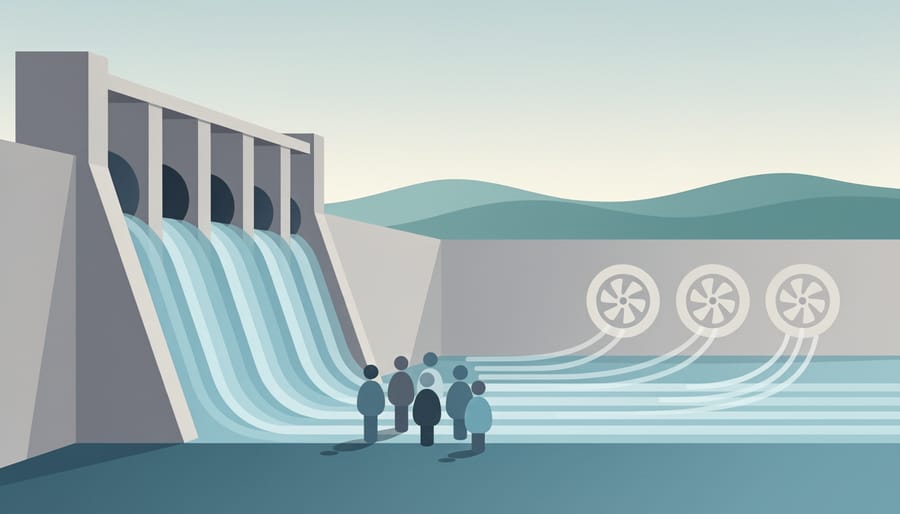
Hydropower holds centuries of surprises that reveal why water remains one of Earth’s most powerful energy allies. These twelve facts illuminate the technology’s remarkable history, scale, and potential in ways that textbooks often overlook.
- 1. Hydropower predates electricity itself. Ancient Greeks used water wheels to grind wheat over 2,000 years ago, and by the late 1800s, those same principles powered the first hydroelectric plants. The technology that lights modern cities has roots stretching back millennia.
- 2. It generates more renewable electricity than any other source worldwide. As of 2026, hydropower produces roughly 16% of global electricity and accounts for nearly 60% of all renewable generation. No other clean energy technology matches its current scale or consistency.
- 3. Hydropower plants can achieve over 90% efficiency. Unlike fossil fuel plants that waste most energy as heat (typically 35-45% efficient), modern hydro turbines convert up to 90% of water’s kinetic energy into electricity. That efficiency gap makes hydropower remarkably productive per unit of resource input.
- 4. Canada ranks as the world’s second-largest hydropower producer. Only China generates more hydroelectric power. Canada’s 82,000 megawatts of installed capacity supplies about 60% of the country’s electricity, with provinces like Quebec, British Columbia, and Manitoba relying on hydro for over 90% of their power.
- 5. Pumped storage acts like a giant rechargeable battery. These systems pump water uphill to a reservoir during low-demand periods, then release it through turbines when electricity prices peak or solar and wind output drops. This flexibility helps balance grids that increasingly depend on variable renewable sources.
- 6. Some hydropower reservoirs double as massive recreation areas. Lake Mead behind Hoover Dam attracts nine million visitors annually for boating, fishing, and camping. Many Canadian hydro reservoirs similarly serve communities as year-round outdoor destinations while generating clean power.
- 7. Run-of-river projects can power communities without large dams. These systems channel a portion of a river’s flow through turbines and return it downstream, minimizing environmental disruption. British Columbia uses dozens of small run-of-river installations to electrify remote areas where traditional dam construction would prove impractical or ecologically harmful.
- 8. Hydropower provides instant response to demand spikes. Gas turbines need minutes to ramp up; hydro turbines can reach full output in seconds by opening gates. This rapid-start capability makes hydropower indispensable for grid stability, especially as renewable penetration grows and backup flexibility becomes critical.
- 9. The world’s largest power station is a hydroelectric facility. China’s Three Gorges Dam boasts 22,500 megawatts of capacity, enough to power roughly 15 million Canadian homes. Its annual output exceeds the combined generation of many countries’ entire electricity sectors.
- 10. Micro-hydro systems can run on streams smaller than your backyard creek. Installations as small as five kilowatts provide off-grid power for individual farms, lodges, or research stations across Canada’s wilderness. These pint-sized plants prove that hydropower scales down as impressively as it scales up.
- 11. Hydropower facilities often outlast other power plants by decades. Many Canadian dams built in the 1950s and 1960s still operate at near-original efficiency today, with expected lifespans exceeding 100 years. That longevity spreads capital costs over generations and reduces the need for frequent replacements that burden other technologies.
- 12. Modern turbines can operate in both directions to support solar integration. Reversible pump-turbines let the same equipment generate power during peak hours and store excess solar energy during midday abundance. This synergy between hydro and solar strengthens the case for diversified renewable portfolios that leverage each technology’s strengths.
These facts underscore hydropower’s unique position in the renewable energy landscape. Its combination of proven reliability, exceptional efficiency, and grid-balancing flexibility explains why countries with abundant water resources continue investing in new projects and upgrading existing infrastructure. Understanding these surprising dimensions helps clarify why hydropower remains central to decarbonization strategies even as solar and wind capacity expands rapidly across Canada and beyond.
Where Hydropower Makes a Difference: Real-World Applications
Hydropower’s versatility extends far beyond keeping the lights on at home. Across Canada, water-generated electricity serves multiple crucial roles that demonstrate why it remains an indispensable part of our energy infrastructure.
Grid Stabilization and Backup Power
When wind power and solar generation fluctuate with weather conditions, hydropower facilities step in to balance the grid within seconds. Pumped storage systems act like giant batteries, storing excess renewable energy when production is high and releasing it during peak demand. This flexibility makes hydropower the perfect partner for intermittent renewable sources.
Powering Remote Communities
Many northern and Indigenous communities across Canada rely on micro-hydropower installations for reliable electricity where extending the main grid proves impractical or prohibitively expensive. These smaller systems, often run-of-river designs, provide year-round power without the noise, emissions, and fuel costs of diesel generators.
Industrial Operations and Direct Uses
Some industries tap hydropower directly without converting it to electricity first. Historic grain mills and sawmills used water wheels for mechanical power, and modern variations still exist. Paper mills, mining operations, and aluminum smelters in British Columbia and Quebec locate near major hydro facilities to access reliable, cost-effective power for their energy-intensive processes.
Supporting Agriculture
Beyond electricity, hydropower reservoirs and controlled river flows support irrigation systems that water crops across the prairies and interior valleys. The infrastructure that generates power also manages water resources for farming, recreation, and flood control, delivering multiple benefits from a single system.
Common Questions About Hydropower Answered
Is hydropower truly renewable?
Yes, hydropower is renewable because it relies on the water cycle, which continuously replenishes itself through precipitation. As long as rivers flow and rain falls, the energy source remains available without depleting natural resources.
How efficient is it compared to solar?
Hydropower converts about 90% of available energy into electricity, making it roughly three times more efficient than solar panels, which typically operate at 15-25% efficiency. However, both technologies serve different roles in achieving net zero energy goals and complement each other well in mixed renewable systems.
What are the main environmental concerns?
Large dams can disrupt fish migration, alter river ecosystems, and change water temperature and flow patterns downstream. Modern projects increasingly incorporate fish ladders, environmental flow requirements, and careful site selection to minimize these impacts while still providing clean energy.
Can small-scale hydropower work for homes?
Micro-hydro systems can power individual homes if you have a stream or creek with sufficient flow and elevation drop on your property. These systems can generate consistent power day and night, potentially contributing to improved home energy performance, though they’re less common than solar installations due to specific site requirements.
Another common question concerns cost. While large hydropower projects require substantial upfront investment, they operate for 50-100 years with relatively low maintenance costs, making the long-term economics highly favourable. Small systems vary widely in price depending on site conditions and capacity.
In Canada, hydropower provides about 60% of electricity generation, far exceeding solar and wind combined. This makes it the backbone of our renewable grid, though diversifying with solar, wind, and other sources creates a more resilient energy system. Understanding how different renewables work together, similar to how an EnerGuide score evaluates overall home performance, helps clarify why Canada needs multiple clean energy solutions rather than relying on a single technology.
Why Hydropower Matters in Canada’s Clean Energy Future
Canada generates roughly 60% of its electricity from hydropower, making water energy the backbone of the country’s clean power grid. That massive foundation creates opportunities other nations can’t match: provinces like British Columbia, Quebec, and Manitoba use hydropower’s reliability to balance variable solar and wind generation, storing renewable energy during peak production and releasing it when demand climbs. This flexibility transforms hydropower from a standalone technology into an enabler that makes other renewables more practical and widespread.
Understanding how hydropower fits into a balanced renewable energy mix reveals why no single technology can solve climate challenges alone. Solar excels during summer days, wind peaks seasonally, and hydropower provides consistent baseload power plus rapid response when other sources fluctuate. The same rivers that powered early mills now support grid stability that lets homeowners add rooftop solar without worrying about blackouts. Pumped storage facilities even store excess solar energy as elevated water, releasing it after sunset when panels stop producing.
The path forward isn’t choosing between renewables but combining their strengths. Every Canadian who learns how these systems complement each other becomes better equipped to support smart energy policies, make informed home power decisions, and advocate for the infrastructure investments that will define the next generation’s energy landscape. Clean energy adoption isn’t distant or theoretical, it’s happening now, built on technologies like hydropower that have proven themselves for over a century while creating space for newer solutions to thrive.